
What Are Stems in Music?
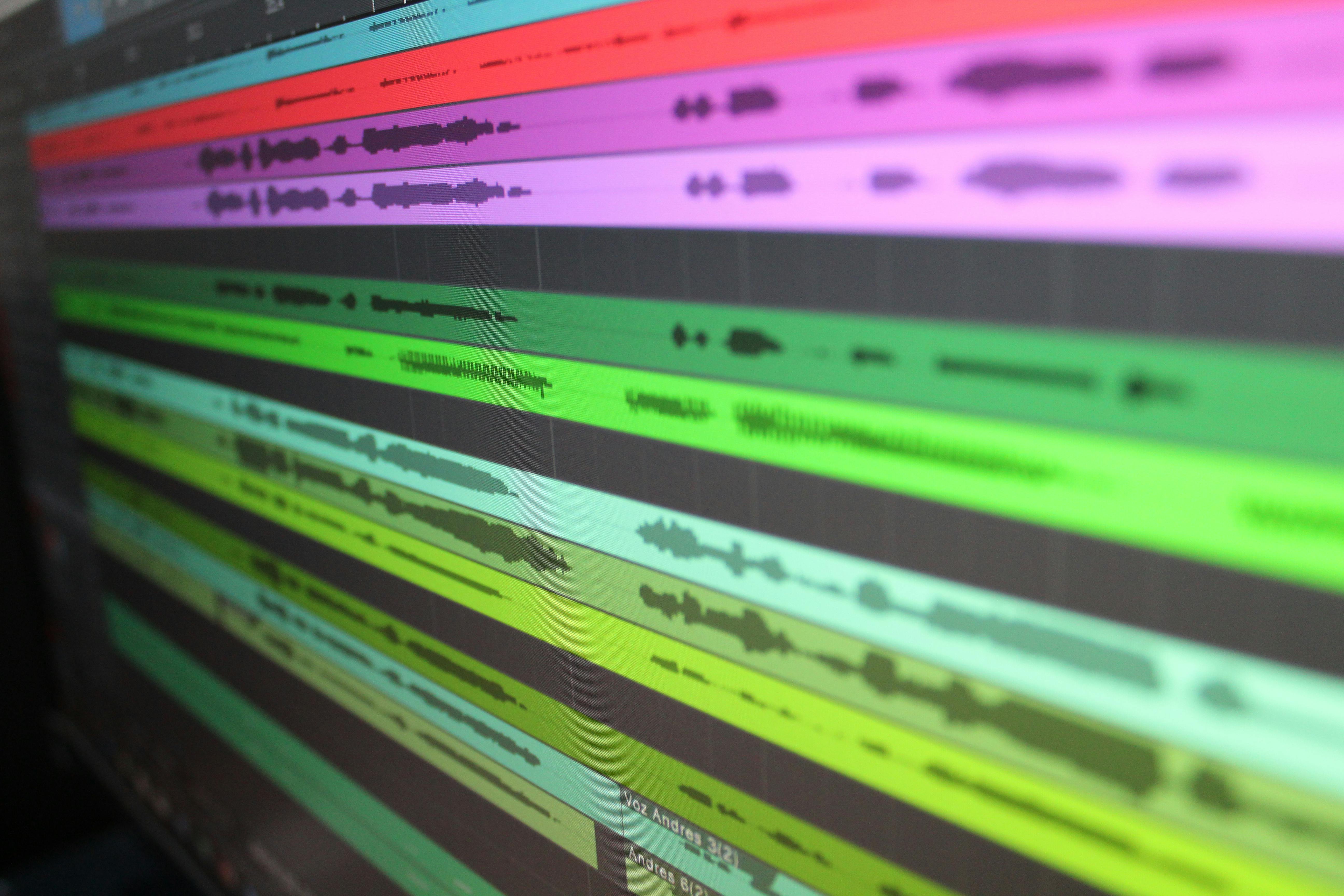
Whether you are scoring a short film, cutting a commercial, or editing a YouTube video, you have probably come across the term "stems" and wondered what it actually means. So what are stems in music? Stems are the individual audio layers that make up a complete song. They are typically grouped by instrument or sound type, such as drums, bass, strings, vocals, and synths. When you layer all the stems together at equal volume, they recreate the full mix of the original track. For video editors and filmmakers, stems unlock a level of creative control over music that a single stereo file simply cannot offer.
What Are Stems in Music Production?
In a standard music workflow, a producer or composer creates a track made up of dozens of individual recordings. Stems take those recordings and group them into manageable submixes. A typical stem set might include four to eight files: one for percussion, one for bass, one for melodic instruments, one for vocals, and so on.
The key distinction is that stems are not raw multitracks. Multitracks are the unprocessed individual recordings from a session, sometimes numbering in the hundreds. Stems are polished, mixed submixes that are ready to use. They are the same length and time-aligned, so dropping them into an editing timeline is straightforward.
Why Stems Matter for Video and Film
Understanding what are stems in music becomes especially important when you are working in post-production. A stereo mix is a single, locked-down file. If the music clashes with dialogue, your only option is to lower the entire track. With stems, you can pull down just the vocal layer or reduce the percussion while keeping the strings and pads intact. The result is a cleaner mix that serves the story without sacrificing the emotional impact of the music.
According to a
covered by Music Business Worldwide, 73.9% of those using AI-based tools use them primarily for stem separation. That figure speaks to just how central stems have become in modern audio workflows.Creative Ways to Use Stems in Your Projects
Once you understand what are stems in music, the creative possibilities open up fast. Here are a few practical ways editors use them every day:
- Build tension gradually by introducing one stem at a time, starting with a soft pad before layering in percussion and bass
- Duck under dialogue by lowering only the mid-range stems instead of the entire track
- Extend or shorten a cue by looping or cutting individual layers without creating jarring edits
- Create custom transitions by fading out certain stems while crossfading others into the next scene
For a deeper look at these techniques in practice, check out this
on the ALIBI blog.What Are Stems in Music Libraries?
Professional music libraries like ALIBI Music include stems alongside every track, giving editors instant access to the building blocks of each cue. This means you do not have to request separated files, wait on a composer, or utilize AI stem separation tools that still do not compare to native session stems. You can
, find the right track for your project, and download the stems on the spot.That kind of access turns a single licensed track into a flexible scoring toolkit you can shape to fit any scene.
Start Working with Stems Today
Now that you know what are stems in music and how they can transform your editing workflow, the next step is putting them to use. Whether you are cutting your first short film or delivering a broadcast spot on deadline, stems give you the creative flexibility to make every scene sound exactly the way you envision it. Ready to explore a library built with editors in mind?
and discover what stems can do for your next project.Share Article: